Design & Home
Inside Canada’s Quiet Renovation Boom
With remote work reshaping how Canadians use their homes, renovations are surging nationwide — driven by a growing desire for comfort, sustainability, and self-expression.
By Daniel Fraser · November 16, 2025
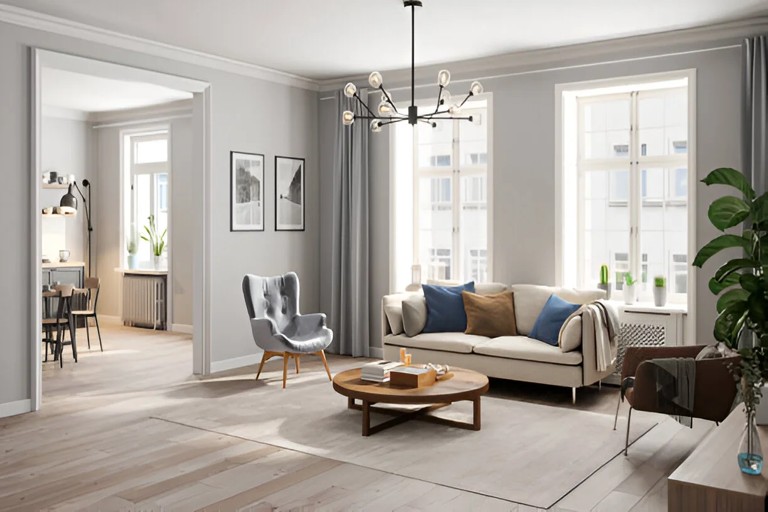
Across Canada, the sound of drills and hammers has become the new urban soundtrack. From Toronto to Vancouver, homeowners are investing in renovations that reflect a changing relationship with domestic life. What began as a pandemic adaptation has evolved into a cultural shift — one that prioritizes comfort, function, and personal meaning over mere aesthetics.
Contractors report unprecedented demand, with renovation backlogs stretching months in some cities. “People are no longer just upgrading; they’re redefining what home means,” says builder André Beaulieu of Montreal-based Maplecraft Construction. “Clients want spaces that make them feel grounded — rooms that work for both family and focus.”
Remote work remains the biggest driver behind the surge. Spare bedrooms are being turned into offices, garages converted into studios, and basements transformed into cozy lounges. According to the Canadian Home Builders’ Association, spending on home improvements rose by nearly 20 percent in 2024, with sustainability cited as a top priority.
Environmental consciousness now plays a central role in renovation decisions. Recycled materials, high-efficiency lighting, and energy-smart windows have become standard expectations among homeowners. “Even cosmetic updates come with a green mindset,” notes designer Lauren Choi. “Clients ask about where materials come from — and whether they’ll last a lifetime.”
But the boom hasn’t been without challenges. Rising material costs and labor shortages have stretched both budgets and patience. Many Canadians are turning to DIY projects as a solution, guided by YouTube tutorials and community tool-sharing programs. For some, the process itself — rather than the result — has become an act of self-expression.
Toronto’s design scene reflects this new hybrid aesthetic: modern spaces softened by handmade details and sustainable craftsmanship. Reclaimed wood, vintage lighting, and natural fabrics are now as fashionable as sleek countertops. “The story behind each element matters,” Choi adds. “People want homes that say something about who they are.”
Industry experts suggest that this renovation wave signals deeper cultural change. Where once homeownership was about status, today it’s about well-being. Families are investing in backyards, balconies, and reading corners instead of open-concept showrooms. The focus has shifted from resale value to emotional value — and that’s transforming Canadian architecture in subtle but lasting ways.
As 2025 unfolds, builders expect demand to remain steady. Rising interest in smaller-scale renovations suggests Canadians are thinking long-term, adapting homes for flexible living rather than constant upgrades. In a nation known for resilience and reinvention, the renovation boom feels less like a fad and more like a reflection of who Canadians have become.