Environment
Community Gardens Bloom Across the GTA
Local volunteers and city programs are turning vacant lots into thriving green spaces, proving that small-scale urban agriculture can reshape neighborhoods and foster community spirit.
By Noah Bouchard · November 22, 2025
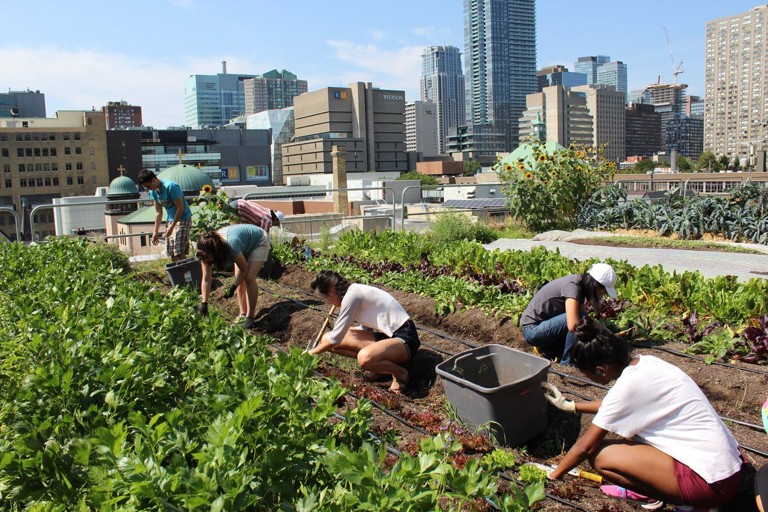
Across the Greater Toronto Area, once-empty lots are sprouting with new life. From Scarborough to Mississauga, residents are transforming unused patches of land into lush gardens bursting with vegetables, herbs, and native flowers. These spaces, tended by volunteers, have become unlikely centers of connection in an increasingly fast-paced city.
What began as small grassroots projects has evolved into a region-wide movement supported by local governments and nonprofit organizations. “Community gardens are about more than food,” says urban planner Caroline Mendes. “They’re about reclaiming space, creating equity, and reconnecting people to the environment that sustains them.”
In North York, the Don Mills Urban Farm now occupies what was once a vacant parking lot. Raised beds built from reclaimed wood host kale, tomatoes, and pollinator-friendly plants. Volunteers from surrounding apartment complexes gather weekly to maintain the plots — many of them newcomers to Canada finding community through cultivation.
Toronto’s Parks and Recreation Department has partnered with environmental groups to expand access to urban agriculture. More than 75 registered community gardens now operate across the city, each managed by residents who share tools, seeds, and stories. “It’s incredible to see people from different backgrounds working side by side,” says Mendes.
The benefits extend beyond harvest baskets. Studies show that community gardens improve mental health, reduce food insecurity, and cool local microclimates. They also encourage sustainable habits like composting and water conservation. “It’s hands-on education,” says environmental educator Omar Rahman. “People see directly how small actions can change their surroundings.”
In neighborhoods like Parkdale and Regent Park, the gardens have taken on added social meaning. They’ve become safe gathering spaces, offering residents a sense of belonging and purpose. Some gardens even host cultural festivals and cooking classes that celebrate Toronto’s diverse food traditions.
But the movement faces challenges, particularly as urban land values rise. Some community gardens sit on temporary leases that can be revoked if developers move in. Advocates are calling on city officials to secure long-term designations for green spaces that serve public benefit. “We can’t grow roots on borrowed land,” Rahman warns.
New technology is also shaping the next phase of urban farming. Hydroponic systems and rooftop gardens are allowing Torontonians to grow produce in dense areas where soil is scarce. Pilot projects supported by the city’s Green Standard initiative are testing how vertical farming can complement community-run gardens.
The success of these programs has inspired nearby municipalities, including Brampton and Oshawa, to launch their own initiatives. Shared gardening spaces are now being integrated into new housing developments, offering residents both fresh food and a sense of ownership over their environment.
As summer approaches, the hum of watering cans and the chatter of neighbors will once again fill Toronto’s community gardens. In a city known for its concrete and condos, these green pockets remind residents that sustainability begins at the ground level — one seed, one shovel, one shared harvest at a time.