Environment
How Canadian Cities Are Preparing for a Warmer Future
From Vancouver’s seawalls to Toronto’s stormwater projects, municipalities nationwide are investing in infrastructure to mitigate the growing impact of climate change.
By Amelia Singh · November 10, 2025
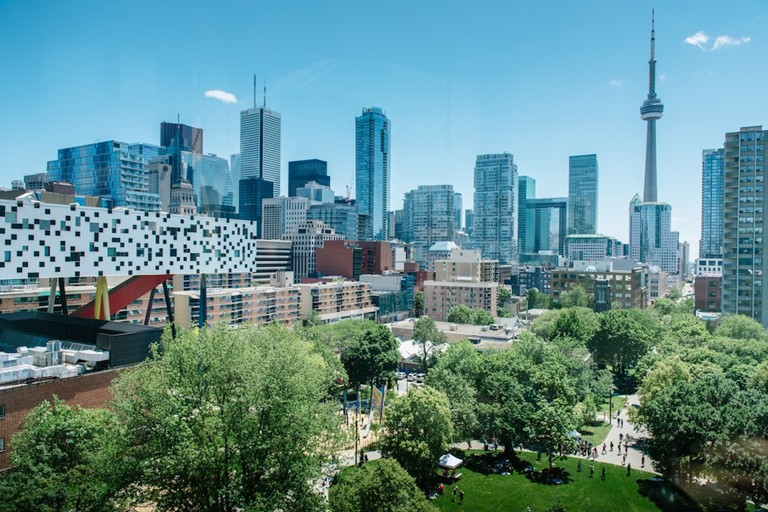
As climate change reshapes weather patterns across Canada, cities are racing to adapt. Record-breaking heat waves, floods, and unpredictable storms have turned abstract warnings into urgent realities. From coast to coast, local governments are rethinking infrastructure, policies, and design to ensure urban life remains sustainable — and survivable — in a warming world.
In Toronto, extreme rainfall has overwhelmed drainage systems and flooded basements in recent years. The city’s Wet Weather Flow Master Plan — a long-term initiative launched two decades ago — is being expanded with new stormwater management tunnels and green infrastructure designed to absorb runoff before it reaches sewers.
“These aren’t future problems; they’re happening now,” says environmental engineer Chris McMillan, who advises on municipal resilience strategies. “Cities like Toronto and Calgary are realizing that adapting means redesigning how we live, not just reacting to crises after they happen.”
Calgary, still recovering from the devastating floods of 2013, has invested heavily in floodplain mapping and riverbank restoration. New construction in high-risk zones is limited, while natural buffers — wetlands and parklands — are being preserved as flood absorbers. The approach reflects a shift from engineered barriers to ecosystem-based solutions.
On the West Coast, Vancouver is fortifying its shoreline against sea-level rise. A proposed 11-kilometre seawall enhancement project will integrate public walkways with flood protection systems, combining safety and accessibility. “We’re building infrastructure that serves people every day, not just during emergencies,” explains city planner Naomi Watanabe.
Montreal, meanwhile, is tackling heat head-on. The city’s “Cool Island” initiative replaces asphalt with reflective surfaces, plants trees along commercial corridors, and installs water misters in public squares. The goal is to combat the urban heat island effect, which disproportionately affects low-income and high-density neighborhoods.
Experts agree that public engagement is critical to success. Cities are increasingly involving residents in resilience planning — from tree-planting programs to citizen science projects that track rainfall or air quality. “Climate adaptation works best when it’s collaborative,” McMillan emphasizes. “People need to feel part of the solution.”
Funding remains a major hurdle. While the federal government has pledged billions through its Disaster Mitigation and Adaptation Fund, municipalities argue that local needs outpace available resources. Many are exploring green bonds and public-private partnerships to finance projects that would otherwise remain on paper.
The private sector is also playing a role. Real estate developers are incorporating resilience into design, from flood-resistant basements to rooftop solar panels. Insurance companies are adjusting premiums based on climate risk, subtly steering homeowners toward more sustainable choices.
Beyond infrastructure, adaptation is changing how Canadians think about urban life. Parks double as flood basins, bike lanes reduce emissions, and rooftop gardens feed both people and pollinators. The focus is shifting from defense to coexistence — acknowledging that climate change will reshape cities in complex but manageable ways.
As scientists predict that Canada will continue warming at twice the global average, resilience is becoming not just a policy goal but a national identity. “Our cities have always been shaped by weather,” says Watanabe. “Now they’re being reshaped by climate.” Whether through seawalls or saplings, Canada’s urban future depends on how well it learns to adapt.