People & Places
Weekend Getaway: Rediscovering Prince Edward County
Just a few hours from Toronto, Prince Edward County offers more than beaches and wine — it’s becoming a model for sustainable tourism and local entrepreneurship.
By Marcus Patel · November 19, 2025
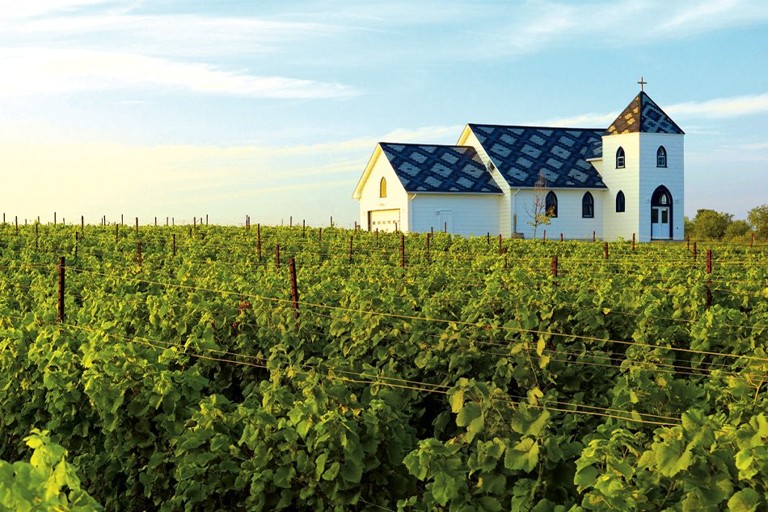
Prince Edward County has long been known as a weekend retreat for Torontonians, but in recent years, it has evolved into something far more dynamic. Beyond its sandy beaches and scenic vineyards, the region has emerged as a hub for creativity, sustainability, and small business innovation — a community where rural charm meets modern vision.
Once a quiet agricultural area, “The County,” as locals affectionately call it, now thrives on its mix of art, food, and entrepreneurship. Historic barns have become design studios, and farmhouses double as galleries and inns. “It’s a reinvention rooted in authenticity,” says local artisan Elise Carver, who operates a pottery workshop in Bloomfield.
The rise of remote work has helped attract a new wave of residents — urban professionals seeking space and balance without sacrificing connection. Many have relocated full-time, bringing new energy and ideas to the community. “We’re seeing a lot of people invest not just in property but in the place itself,” Carver adds.
Local businesses have embraced sustainable tourism as their guiding principle. Instead of large-scale resorts, visitors find eco-lodges, farm-to-table restaurants, and small wineries that prioritize local sourcing. The focus is on slow travel — savoring experiences rather than consuming them. “People come here to unplug, not to escape,” says innkeeper Daniel Moore.
One of the County’s biggest draws remains its culinary scene. From artisanal bakeries to experimental tasting menus, chefs are highlighting regional produce and wines that rival international labels. The area’s Food & Wine Trail connects dozens of independent producers, encouraging visitors to explore beyond familiar routes.
But growth brings challenges. As property values rise, long-term residents worry about affordability and preserving the County’s small-town identity. Local councils are responding by emphasizing responsible development and protecting agricultural land from over-commercialization. “We want to grow, but we want to grow thoughtfully,” says Moore.
Art continues to play a central role in shaping the County’s identity. The annual PEC Studio Tour, now in its fourth decade, draws thousands of visitors each fall. For many artists, the open-door format offers both exposure and connection. “It’s about sharing process, not just product,” explains painter Claire Doyle.
Visitors also find inspiration in the landscape itself — windswept fields, heritage barns, and the calm expanse of Lake Ontario. Cyclists trace routes through vineyards and villages, while photographers chase golden-hour light along the shore. “It’s impossible not to feel creative here,” says Doyle. “The scenery does half the work for you.”
Prince Edward County’s evolution mirrors a larger Canadian story — one of reinvention through community and collaboration. It’s not just a getaway anymore; it’s a living experiment in sustainable rural development. For those who visit, it’s a reminder that the best escapes aren’t about leaving home — they’re about finding it again.