Design & Home
Sustainable Materials Are Redefining Modern Homes
Builders and homeowners alike are turning to reclaimed wood, recycled glass, and eco-friendly finishes, signaling a shift toward greener living across Canada’s housing landscape.
By Madison Roy · November 20, 2025
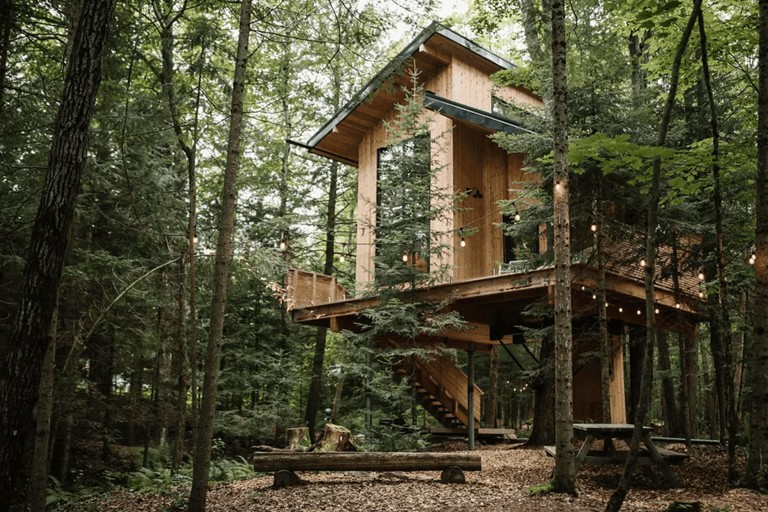
From suburban developments to downtown condos, sustainability is reshaping the way Canadians build and renovate their homes. What once seemed like a niche movement has become mainstream, as architects and builders increasingly prioritize materials that minimize environmental impact while maintaining aesthetic appeal.
Across Toronto, reclaimed wood flooring and recycled glass countertops are appearing in new builds that once relied on synthetic finishes. “We’ve noticed a fundamental change in client priorities,” says eco-architect Brendan Shaw. “Homeowners want spaces that look modern but leave a lighter footprint. They’re asking questions about sourcing and longevity.”
The shift reflects a growing awareness of Canada’s role in global sustainability efforts. As the construction industry accounts for nearly 40 percent of greenhouse gas emissions worldwide, many firms are adopting circular design principles — reusing, repurposing, and reducing waste wherever possible.
Companies like Ontario’s EcoHaus Design are at the forefront of this movement. Their projects incorporate hemp insulation, low-VOC paints, and solar-integrated roofs. “Sustainability isn’t a luxury feature anymore,” says founder Alina Desrosiers. “It’s becoming an expectation, especially among younger homeowners who value transparency and environmental responsibility.”
The trend is also influencing material innovation. Canadian startups are experimenting with biodegradable composites and plant-based resins to replace plastics and cement. These new materials promise durability and lower emissions, aligning modern architecture with ecological ethics. Some developers are even branding homes around their carbon-neutral construction.
In older neighborhoods, restoration projects are proving equally transformative. Instead of demolishing existing structures, renovators are salvaging bricks, beams, and fixtures to preserve heritage character while reducing landfill waste. “It’s about respecting what’s already there,” explains restoration specialist Kira Manning. “Sustainability can coexist with history.”
Government incentives have accelerated adoption. Programs under Canada’s Greener Homes initiative offer rebates for energy-efficient upgrades, while municipalities encourage low-impact construction through zoning flexibility. The result is a new generation of houses that consume less energy without sacrificing comfort or design.
Homeowners are also discovering that sustainability can save money long-term. Energy-efficient windows, proper insulation, and locally sourced materials may increase upfront costs but reduce utility bills and maintenance expenses. “Green building isn’t just good for the planet — it’s practical,” Manning adds.
Designers are reimagining beauty itself, moving away from polished perfection toward natural imperfection. Unfinished textures, raw concrete, and weathered wood are celebrated for their honesty. “People connect emotionally with materials that tell a story,” says Shaw. “You can feel the craft and conscience in the room.”
The influence extends beyond residential spaces. Schools, offices, and public buildings are embracing sustainable architecture, transforming skylines with green roofs, rainwater systems, and breathable facades. It’s a movement that combines aesthetics with activism, quietly reshaping Canadian cities from the inside out.
As the construction industry faces pressure to decarbonize, Canada’s design leaders see opportunity in change. “We’re at a turning point,” says Desrosiers. “Our homes are becoming statements of values — reflections of how we want to live on this planet.” For many, that means building less wastefully, but more meaningfully.