People & Places
Small Town, Big Art: How Rural Ontario Is Nurturing Creativity
Artists are flocking to smaller communities where affordable studios and supportive locals are transforming quiet towns into thriving creative hubs.
By Claire Thompson · November 18, 2025
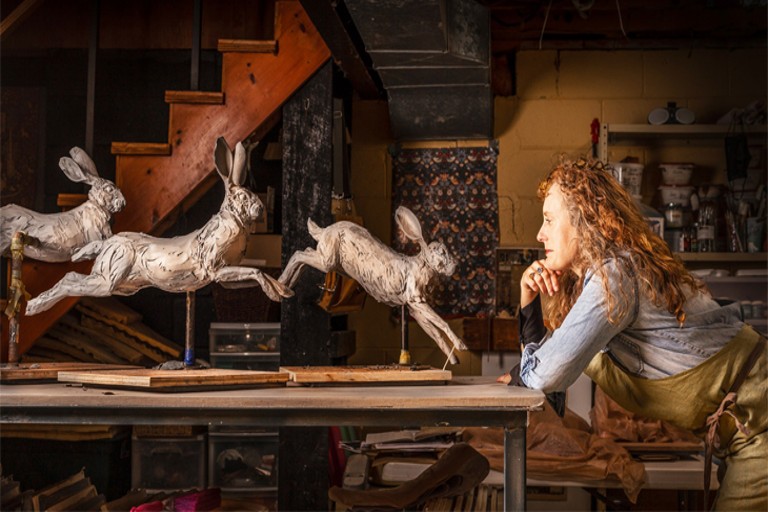
In rural Ontario, a quiet artistic revolution is taking shape. Small towns once known for agriculture or manufacturing are reinventing themselves as creative sanctuaries, drawing painters, sculptors, and musicians in search of space, affordability, and a slower pace of life. The shift is transforming not just local economies but entire cultural landscapes.
Places like Stratford, Elora, and Prince Edward County have become magnets for artists priced out of Toronto. “Here, I can afford a studio and actually have time to think,” says ceramicist Julia Harper, who relocated from the city two years ago. “There’s a freedom that doesn’t exist when you’re rushing between rent payments.”
Affordable property is part of the attraction, but community support has proven equally vital. Many municipalities have embraced the arts as a tool for revitalization, turning old factories into galleries and abandoned schools into co-working studios. These initiatives have breathed new life into towns once struggling with population decline.
In Meaford, the century-old grain mill now houses an artists’ collective, hosting exhibitions that attract visitors from across the province. “It’s incredible to see how creativity can reshape a town’s identity,” says local councillor Mark Devereux. “We’re seeing cafes, bookstores, and performance venues open because people want to be part of that energy.”
The ripple effects extend beyond economics. With artists come festivals, workshops, and public art installations that foster a sense of pride and belonging. Residents who once viewed art as an outsider’s pursuit now see it as an expression of community character. In Collingwood, even small businesses have joined in, displaying local work in shop windows.
The shift also reflects changing cultural values. After years of urban migration, many Canadians are rediscovering rural life as a source of inspiration rather than isolation. “There’s a growing recognition that creativity doesn’t belong exclusively to cities,” says arts advocate Nadine Pelletier. “Rural communities have stories worth telling — and people ready to tell them.”
Technology has helped bridge the gap between small towns and global audiences. Artists now sell directly through online platforms, collaborate remotely, and share their process with followers worldwide. This digital visibility allows them to sustain their practice without relying solely on metropolitan art markets.
Local governments are taking notice. The Ontario Arts Council has expanded grant programs aimed at rural creators, and regional tourism boards are marketing cultural trails that highlight studios, galleries, and workshops. For travelers seeking authenticity, the mix of farmland and artistry offers a uniquely Canadian experience.
Still, the movement isn’t without challenges. Reliable internet access remains inconsistent in parts of rural Ontario, and some communities struggle to balance growth with preservation. “We want to attract newcomers,” says Devereux, “but not at the expense of what makes these places special.”
As the boundaries between urban and rural creativity blur, small towns are proving that art thrives wherever imagination finds room to breathe. In barns, basements, and converted storefronts, a new generation of Canadian artists is quietly redefining what it means to create — and where creativity truly belongs.