People & Places
Hidden Corners: Exploring Toronto’s Overlooked Heritage Sites
Beyond the CN Tower and Distillery District, lesser-known landmarks across Toronto are drawing renewed attention for their role in shaping the city’s cultural identity.
By Ethan Clarke · November 15, 2025
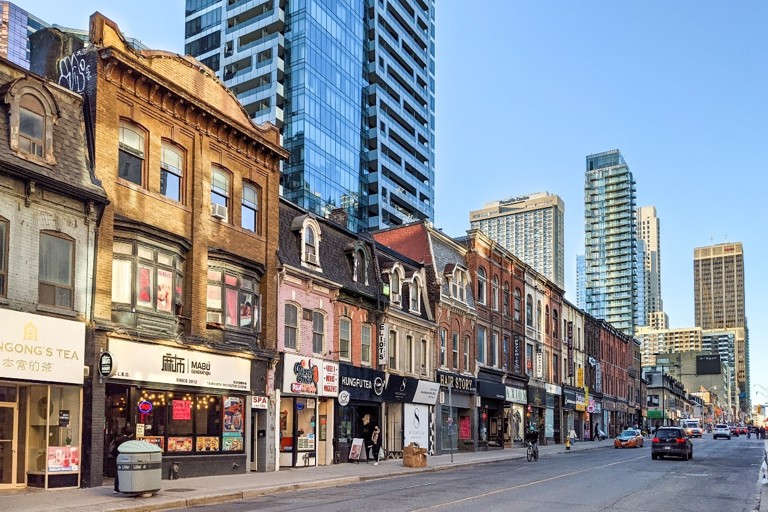
While Toronto’s skyline is defined by glass towers and modern landmarks, its soul resides in the quiet corners that many residents overlook. Hidden among busy streets and suburban enclaves are heritage sites that tell stories of resilience, migration, and creativity — reminders that the city’s history isn’t confined to tourist attractions.
One such gem is Montgomery’s Inn in Etobicoke, a preserved 19th-century tavern that once welcomed travelers along Dundas Street. Today, it serves as both museum and community space, offering glimpses into early settler life through hands-on exhibits and storytelling events. “It’s where history feels alive,” says curator Megan Kline.
Farther east, the Guild Park and Gardens in Scarborough showcase fragments of Toronto’s architectural past — stone carvings and columns salvaged from demolished downtown buildings. Visitors wander through what feels like an open-air museum, surrounded by the ghosts of lost facades and forgotten craftsmanship.
In the city’s core, heritage preservation has become a creative pursuit. Developers are increasingly blending old and new, restoring original brickwork within modern designs. The Broadview Hotel, once a turn-of-the-century boarding house, now stands as a symbol of adaptive reuse — a balance between nostalgia and progress.
Community groups have played a pivotal role in keeping these places alive. The Toronto Historical Society and volunteer organizations host walking tours that connect residents to stories behind familiar streets. “People want to feel anchored,” explains historian Dr. Samuel Roy. “Preservation gives identity to a city that’s constantly evolving.”
For many, exploring these sites offers a more personal understanding of Toronto’s layered character. From century-old churches tucked beside coffee shops to hidden laneways painted with murals, the city reveals itself in fragments — intimate, imperfect, and deeply human.
The resurgence of interest in heritage spaces also reflects broader cultural trends. Younger generations, once focused on novelty, are embracing history as part of urban storytelling. Social media has helped amplify this shift, turning local landmarks into backdrops for rediscovery and reflection.
As Toronto continues to grow vertically, its historical roots provide a sense of grounding. In every restored facade and preserved garden lies a quiet defiance against erasure. The city’s heritage isn’t fading into the past — it’s being rewritten, one hidden corner at a time.