Design & Home
Reviving Vintage Charm: Toronto Designers Embrace Retro Interiors
From art deco accents to mid-century furniture, local designers are blending nostalgic aesthetics with modern function to create spaces that celebrate timeless Canadian design heritage.
By Olivia Chen · November 17, 2025
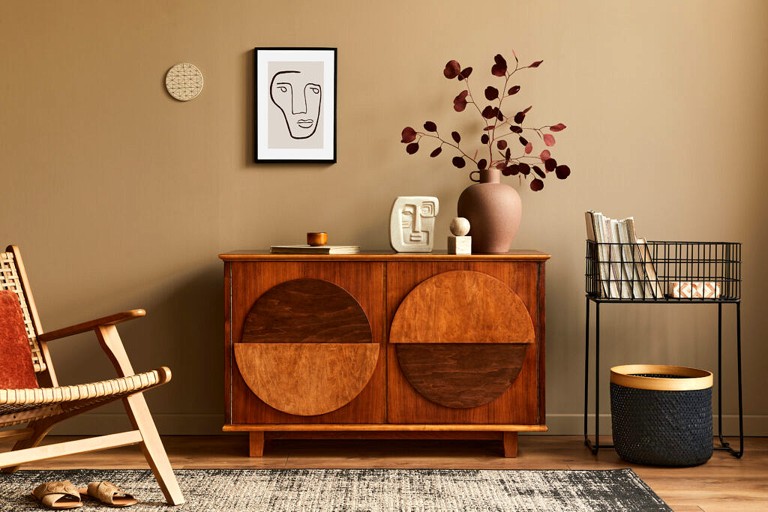
Across Toronto, a quiet design revival is unfolding inside apartments, condos, and family homes. Designers are rediscovering the character and craftsmanship of vintage interiors, reintroducing mid-century lines, warm tones, and nostalgic textures. What was once dismissed as “dated” has become the new language of comfort — one that blends memory and modernity.
The resurgence of retro design owes much to the city’s growing appetite for authenticity. “People are tired of sterile, minimalist spaces,” says interior designer Rachel O’Donnell, whose recent projects feature repurposed teak cabinets and 1970s-inspired lighting. “Vintage décor tells a story. Every piece feels lived-in, and that resonates with clients craving warmth.”
Thrift stores and online marketplaces have become hunting grounds for design enthusiasts eager to curate homes that reflect both sustainability and personality. The appeal lies not only in the aesthetic but in the environmental benefit — rescuing furniture that might otherwise be discarded. “Design can’t just be beautiful; it has to be responsible,” O’Donnell adds.
Toronto’s design community has been quick to adapt, with boutique studios like Revival House and Elm Street Interiors combining restoration techniques with contemporary sensibilities. They source period furniture, restore original finishes, and pair them with modern upholstery. The result is a fresh, eclectic look that feels both curated and comfortable.
The pandemic also played a role in this stylistic shift. As people spent more time at home, they sought interiors that provided emotional grounding. Vintage pieces — with their patina and history — offered a sense of continuity in uncertain times. The nostalgia of a walnut credenza or a brass lamp became unexpectedly soothing.
Architectural historian Dr. David Leduc suggests that the trend goes beyond decoration. “Retro design represents cultural memory,” he says. “It reminds us of optimism — of eras when craftsmanship mattered and homes were designed to last. In a fast-paced city like Toronto, that sense of permanence is appealing.”
Even new developments are taking cues from this aesthetic revival. Condominiums in areas like Leslieville and The Junction are incorporating vintage-inspired materials — terrazzo flooring, fluted glass, and brass detailing — to evoke a sense of nostalgia while maintaining modern efficiency. Developers see it as a way to create distinction in a competitive market.
Social media has amplified the trend’s reach. Instagram feeds filled with retro kitchens and mid-century lounges inspire both homeowners and professionals to experiment with color and form. “The algorithm loves authenticity,” jokes stylist Karen Hu. “When people see wood grain and warm light, they stop scrolling. It feels real.”
Whether it’s the glow of a restored sconce or the comfort of a reupholstered armchair, Toronto’s renewed affection for retro design is more than a passing fad. It’s a collective appreciation for the tactile, the enduring, and the imperfect — a design philosophy rooted in the idea that history still has a place in the modern home.